
Benefits of Floating Stairs in Modern Architectural Designs
Floating stairs are popular for a reason. They don't just look modern. They solve modern design goals in a direct way.
Published: April 16, 2026
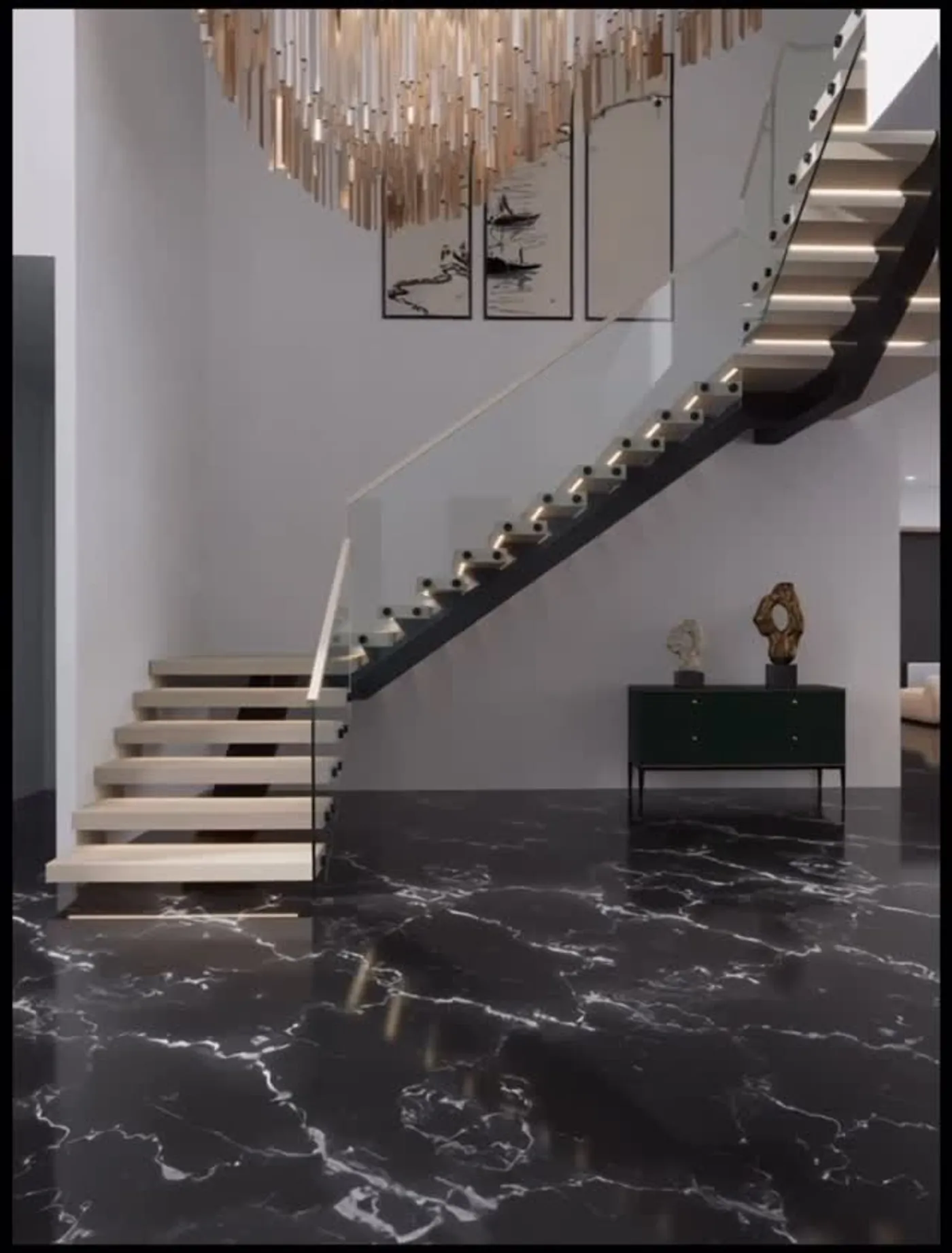
At Toronto Floating Stairs , we like floating stairs in modern architecture because they help a house read more clearly. They let the plan stay open. They preserve light. They keep circulation visible without turning the stair into a heavy enclosed object.
They preserve visual openness
This is the obvious benefit, but it is still the biggest one. Modern architecture often depends on long sight lines and uninterrupted interior volume. A boxed stair interrupts that. A floating stair lets the room stay legible from more angles.
In practical terms, that means the entry feels larger, the living area feels less segmented, and the upper landing often feels more connected to the main floor.
They let light move farther
Open risers and cleaner guard systems allow daylight to pass through the stair zone instead of being blocked by it. That matters in modern homes where natural light is a core design material, not a bonus.
When the stair sits near glazing, skylights, or a double-height wall, the difference is even stronger. The stair participates in the light instead of interrupting it.
They make circulation feel intentional
Modern architecture tends to expose movement through the house rather than hiding it. Floating stairs fit that idea well. They show the path upward clearly and make the transition between levels feel like part of the architectural experience.
That is not just a visual point. It changes how people understand the layout. Good circulation feels easier when it is readable.
They highlight material quality
Modern design usually gives materials more responsibility. A floating stair does the same thing. Because there is less visual bulk, each material decision matters more. The wood grain, steel finish, glass clarity, and joint lines all show up clearly.
That can be demanding. It is also why well-executed floating stairs look so strong in modern interiors. The detailing has nowhere to hide, so good work reads immediately.
They can improve how compact layouts feel
Floating stairs are not only for large luxury homes. In compact modern layouts, they can keep small spaces from feeling boxed in. That visual relief is often one of the biggest functional benefits on tighter plans.
The footprint still matters, of course. But the way the stair occupies the room is very different from a conventional enclosed volume.
They become a focal point without needing extra decoration
Modern architecture usually rewards one strong focal gesture rather than a room full of competing accents. A floating stair can do that on its own. It gives the house a center of gravity without needing ornate trim, oversized artwork, or heavy visual layering around it.
That is one reason architects keep coming back to them. They solve multiple design problems at once.
The real benefit
The real benefit of floating stairs in modern architectural design is not just style. It is alignment. The stair supports the same goals the architecture is already chasing: openness, clarity, light, proportion, and better material expression.
That is why the best floating stairs don't feel like a trend. They feel like the logical answer to the house.
Exploring a floating stair for a modern home?
We can review how the stair would affect openness, lighting, material choices, and the overall architectural direction before you commit to a layout.